Curriculum
At Catshill First School and Nursery, we aim to provide pupils with the foundational knowledge and skills they need to succeed as they progress through their school journey. The Early Years Foundation Stage (EYFS) is based on four themes and seven areas of learning. The four themes are The Unique Child, Positive Relationships, Enabling Environments and Learning and Development. The seven areas of learning are:
- Communication and Language Personal, Social and Emotional Development
- Physical Development
- Personal, Social and Emotional Development
- Literacy
- Mathematics
- Understanding the World
- Expressive Arts and Design
A common misconception is that the children are ‘only playing’ whilst in the Foundation Stage. However, the best Early Years Education is based on the understanding that whilst children are playing, they are learning. During the day there will be a mixture of adult initiated, child initiated and adult led activities as well as whole class, small group and individual activities. Formal Phonics, Maths and Topic sessions take place throughout the week.
Curriculum Overview
Our Curriculum overview ensures progression from Nursery through to Reception and highlights how children develop, build upon and deepen knowledge progressively. We aim to support all children to know more and remember more. Children are supported and challenged to make progress relative to their starting points, across all areas of learning. The interests of the children, ongoing assessments and in depth knowledge of each child are taken into account in order to ensure high levels of engagement and challenge within the Early Years environment.
Continuous/Enhanced Provision
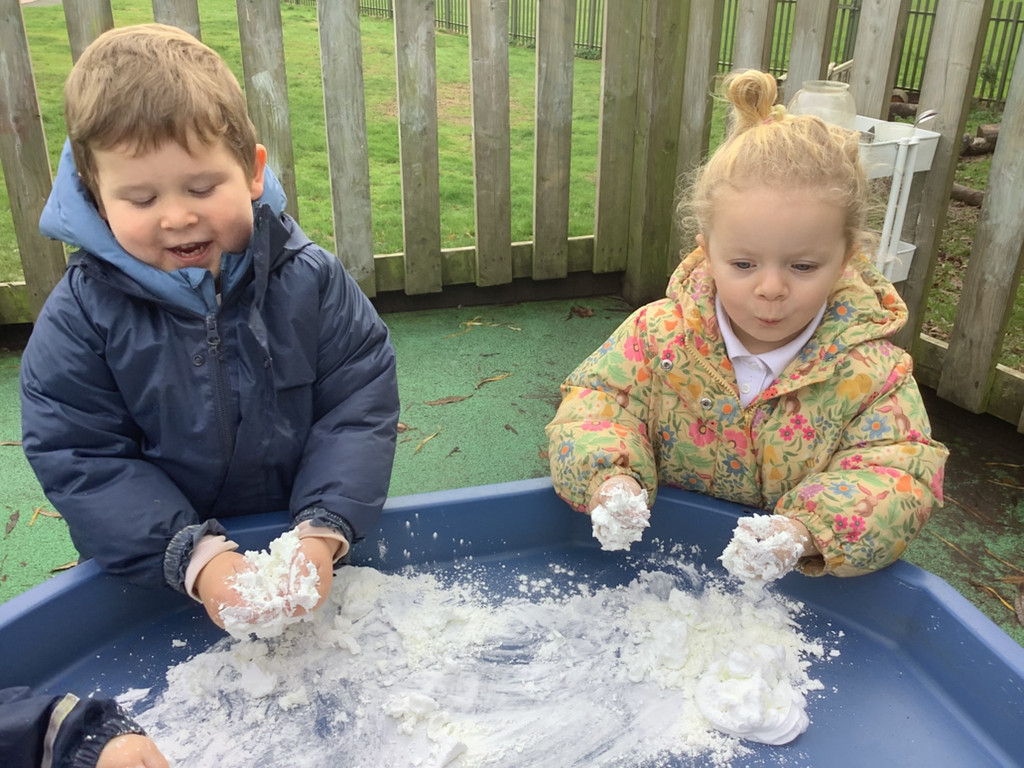
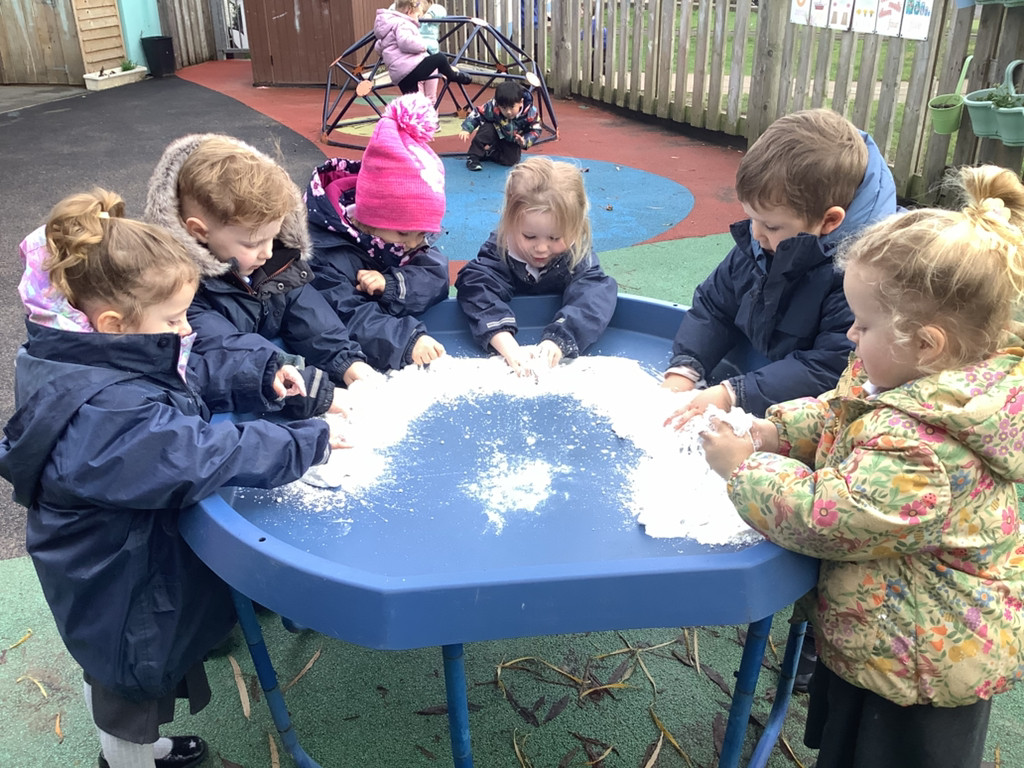
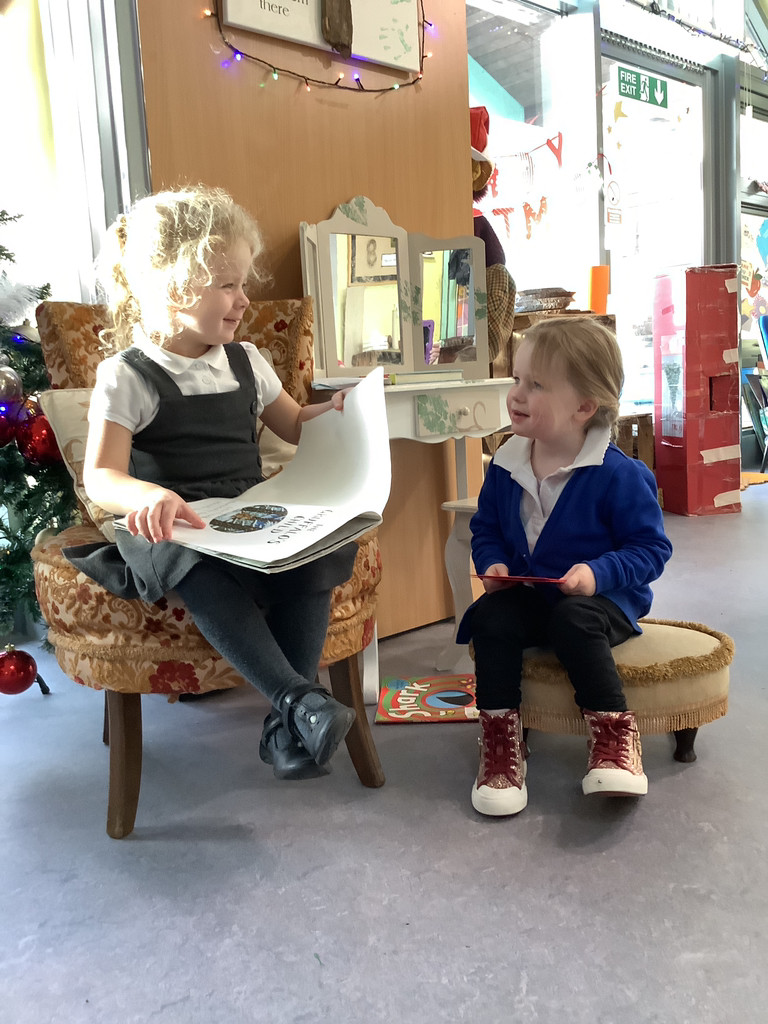
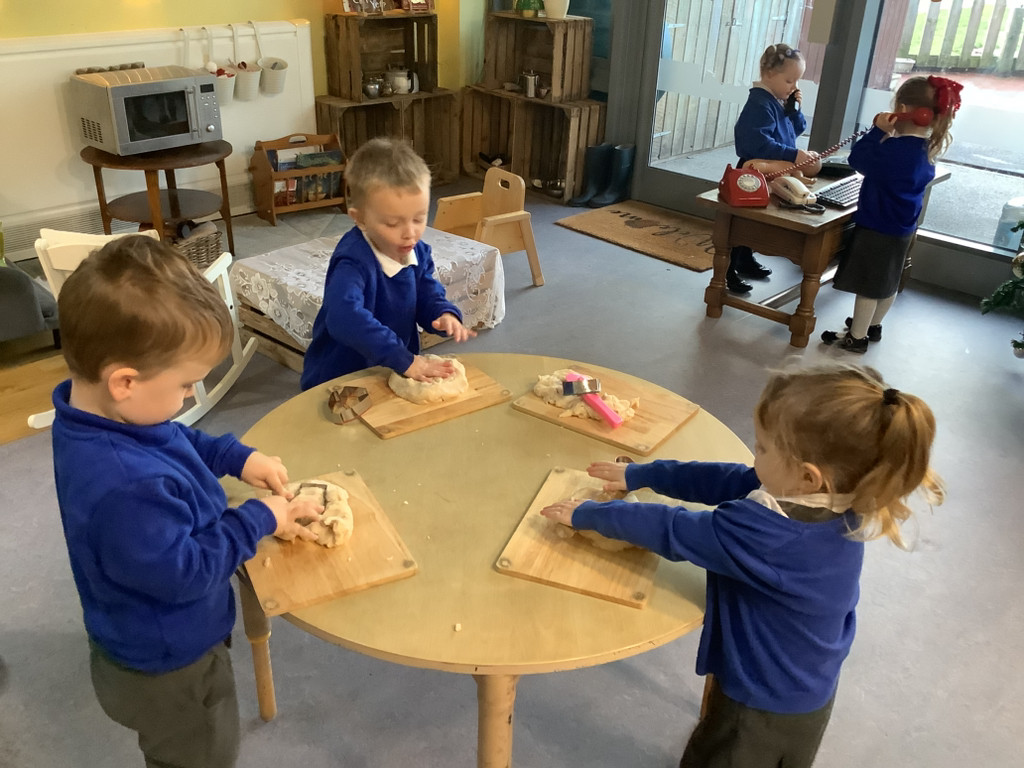
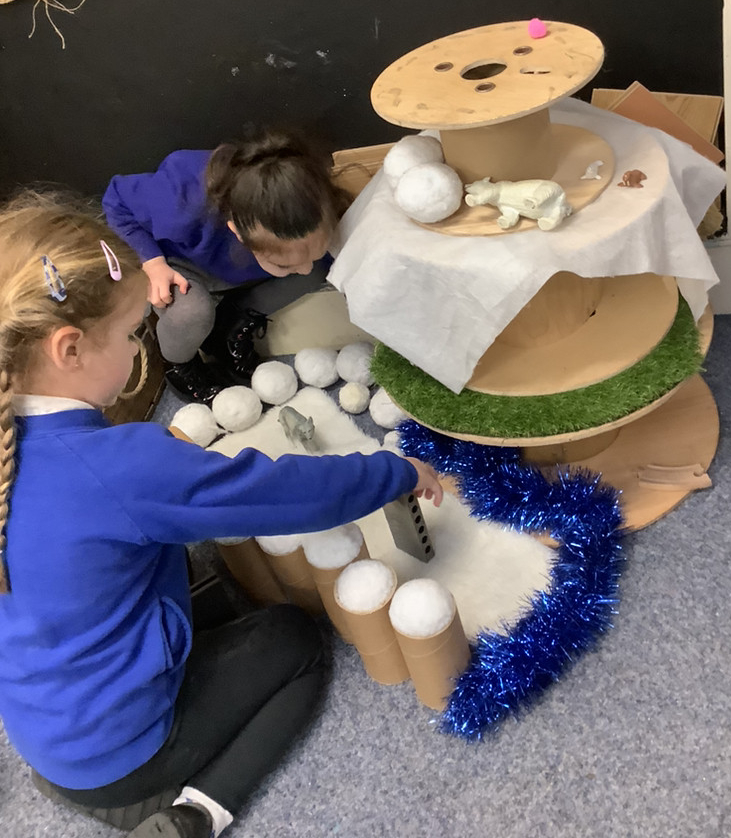
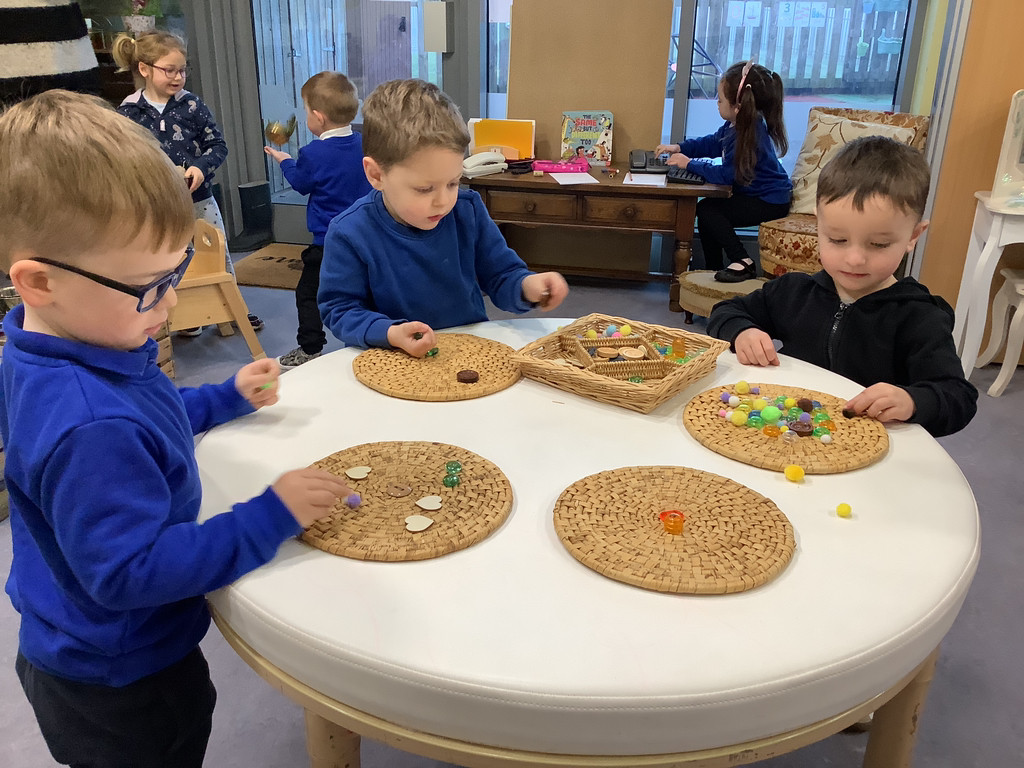
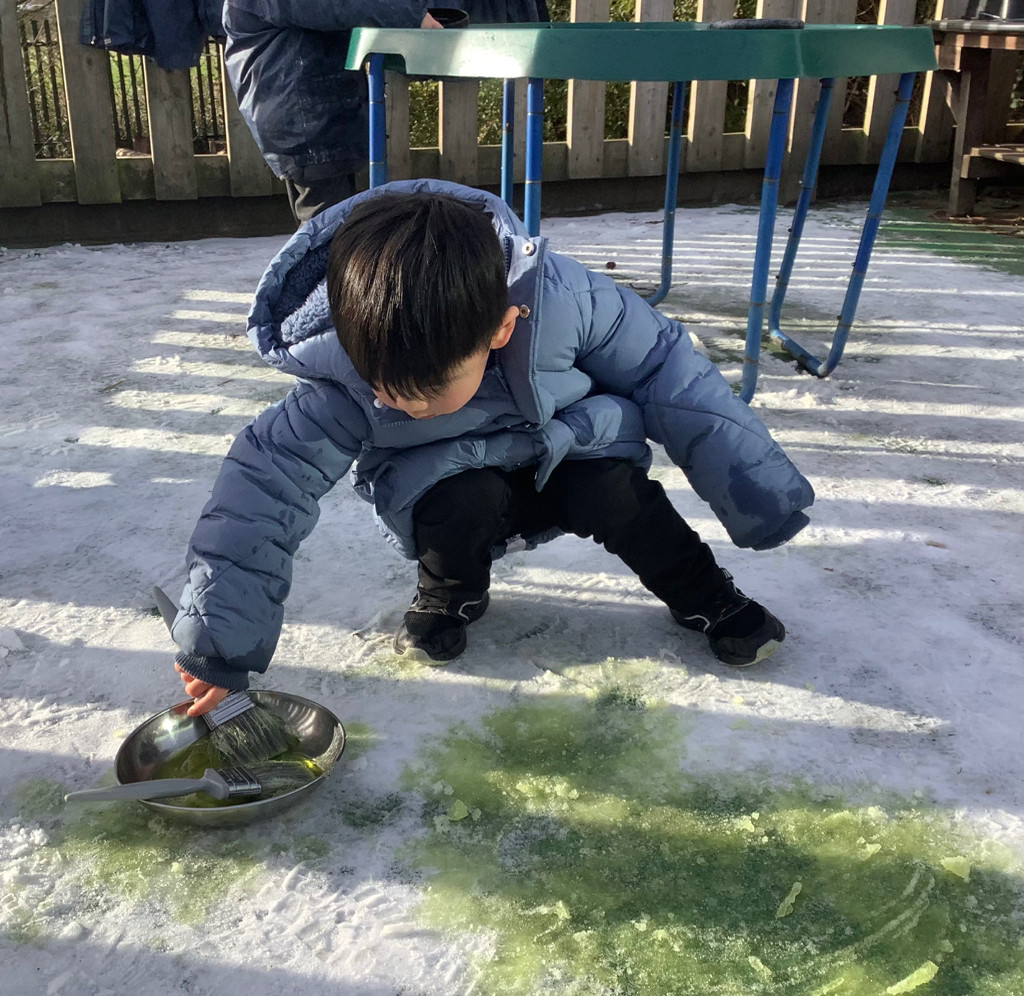
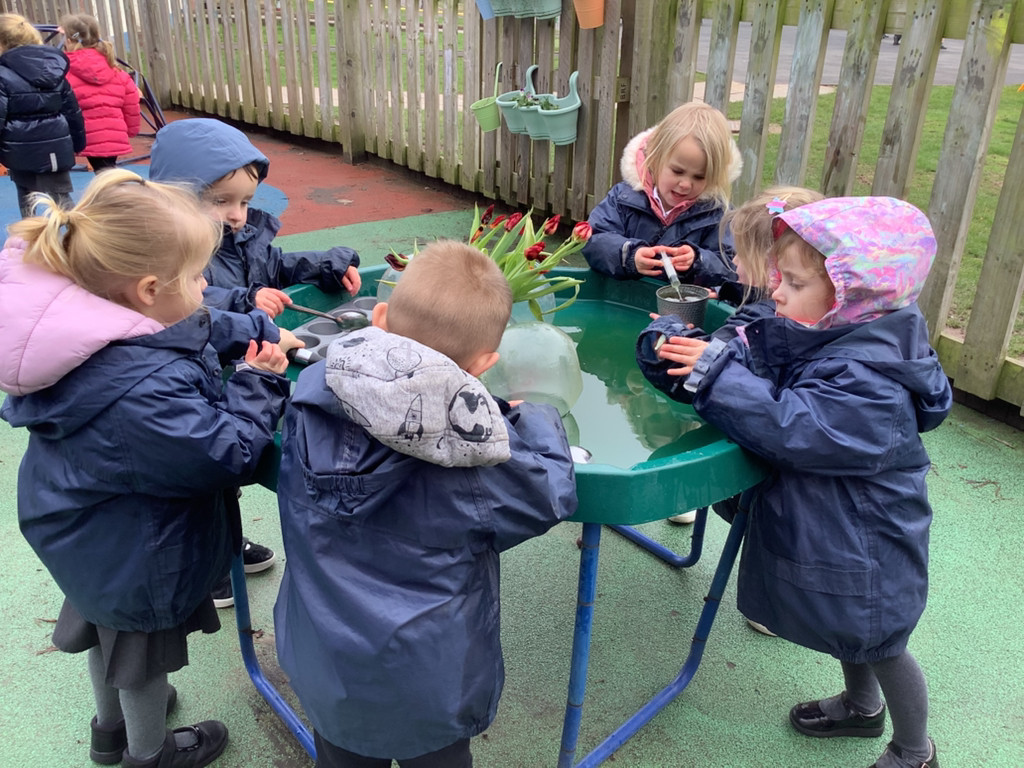
Children in the EYFS need opportunities to play, explore, experiment and learn in both an indoor and outdoor environment. Whenever possible, we operate a free flow environment where children can choose whether to be indoors or outdoors and can move independently between both. Continuous Provision is planned carefully to provoke exploration and allow all children to practise and embed skills. Provision is enhanced based on the interests and needs of the children.
Characteristics of Effective Learning
The Characteristics of Effective Learning are a vital part of the Early Years Foundation Stage Curriculum. We believe it is important to reflect on the different ways that each unique child learns. A child’s individual learning characteristics will determine the way they respond to both teaching and learning taking place in the environment. The three characteristics of effective learning identified by the EYFS are:
- Playing and exploring – children investigate and experience things, and ‘have a go’
- Active learning – children concentrate and keep on trying if they encounter difficulties and enjoy achievements
- Creating and thinking critically – children have and develop their own ideas, make links between ideas, and develop strategies for doing things.
Assessment
All adults in our setting our highly experience Early Years practitioners which supports their knowledge of child development. We ensure that assessment in Early Years does not take the practitioner away from the child as we do not insist on arduous recorded observations. We feel that the priority should always be placed on the practitioner supporting the learning and moving learning forwards through skilful questioning, engagement and ongoing assessment. All practitioners make sure they are clear about what they want the children to know and are able to guide them to this point through a range of approaches. We are aware that every child is unique and therefore, knowledge of each individual child is vital to supporting their progress. Observations of children support the ongoing assessments which then informs the planning of what children will be taught/supported with next. At the end of Reception, practitioners use information from the child’s time in the provision to complete the Early Years Foundation Stage Profile which is then shared with parents and Year 1 teachers in order to inform next steps.
Curiosity Approach
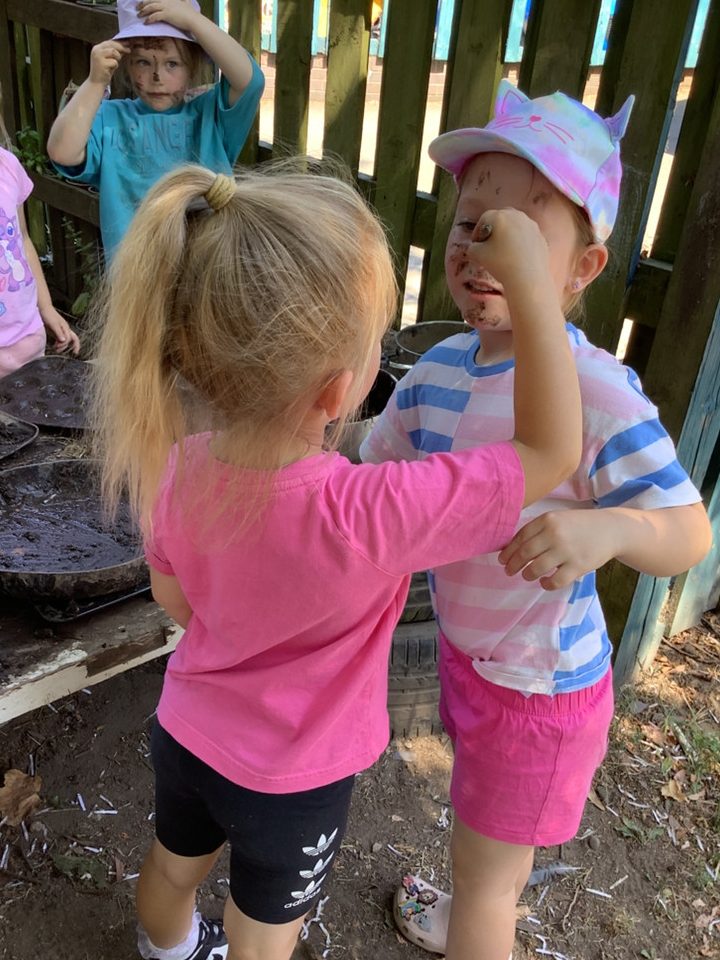
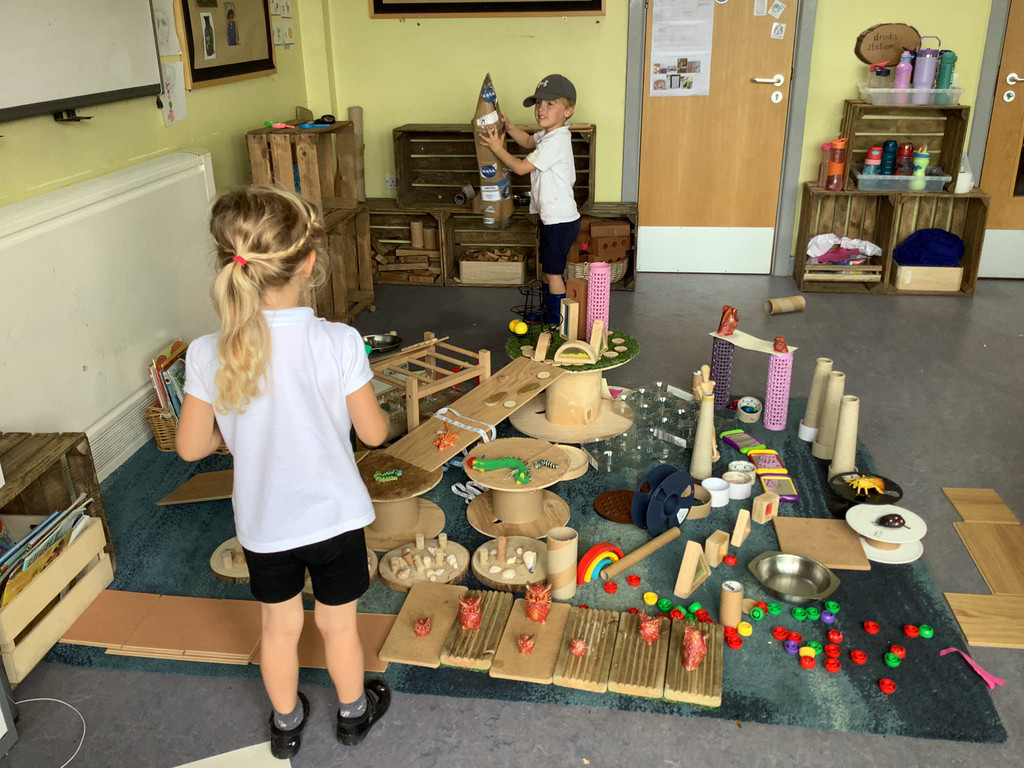
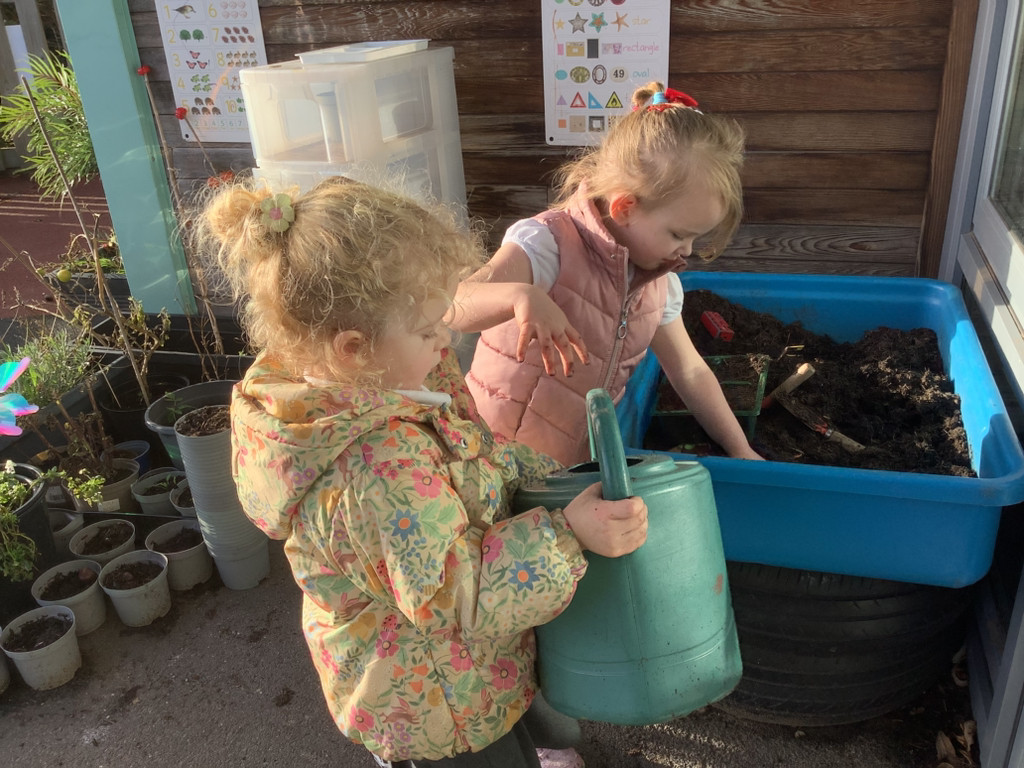
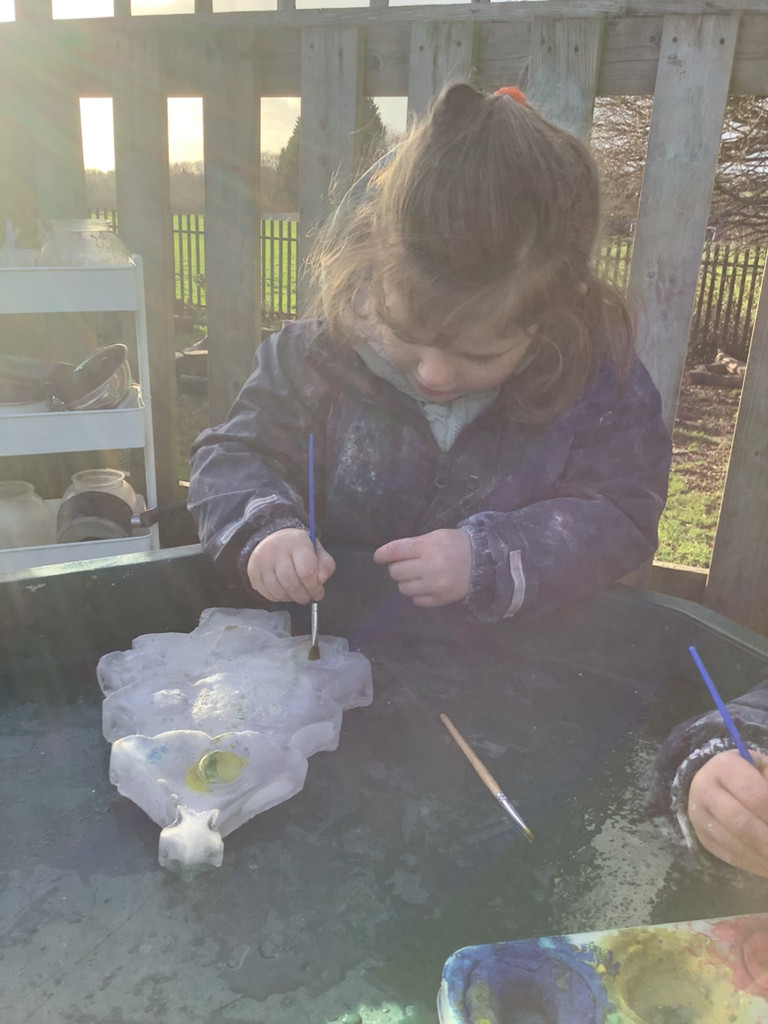
At Catshill First School and Nursery, our aim is to ignite a child’s natural curiosity to explore the world around them and our Early Years is inspired by the Curiosity Approach. We place awe, wonder and curiosity at the heart of our practice. The Curiosity Approach encompasses many early years philosophies, including: Reggio Emilia, Te Whãriki, Montessori, Pikler and Steiner.
‘Nature is a tool to get children to experience not just the wider world but themselves’ Stephen Moss
Phonics in Early Years
At Catshill First School and Nursery we use a DfE validated synthetic phonics programme called Rocket Phonics.
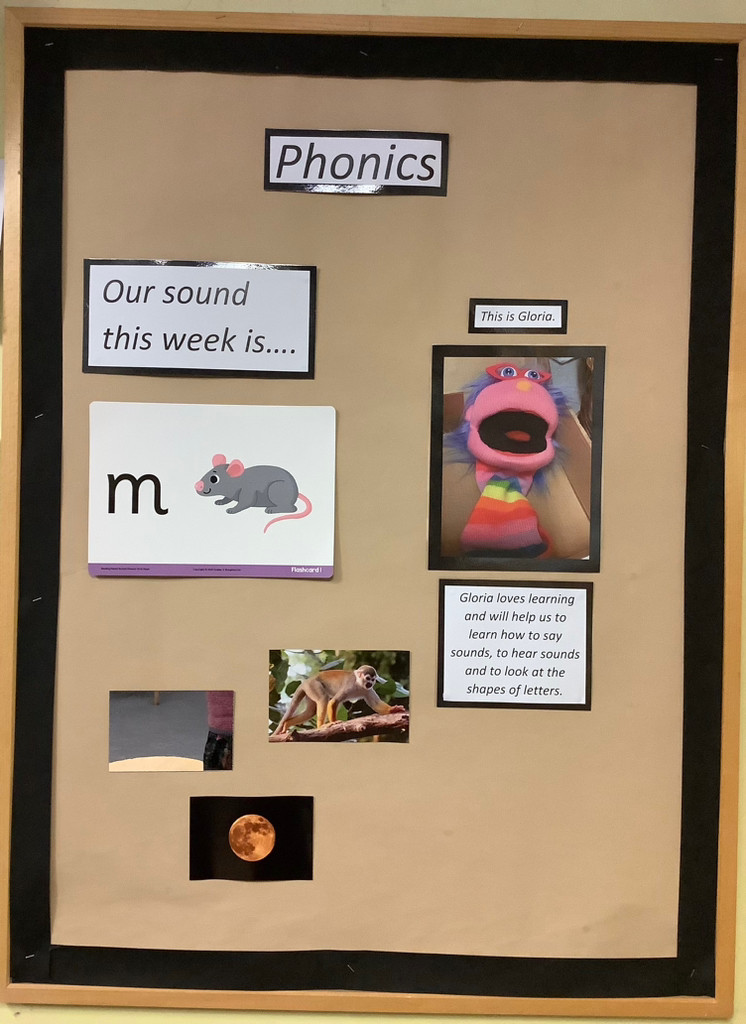
In Nursery we follow the First Steps programme and have a special puppet called Gloria who introduces the children to a new sound each week. The aim is to prepare children for more formal, systematic synthetic phonics in Reception by embedding knowledge at a steady pace.
Phonics in Reception
In Reception we move onto more formal sessions, introducing two new sounds per week, using digital resources, flashcards, and Pupil Practice Booklets. Children develop blending for reading and segmenting for spelling, with a strong emphasis on consistent, active engagement. See the Early Reading and Phonics page on our website for more information – Early Reading and Phonics